


Propagation beam consideration for 3D THz computed tomography
Research figure associated with Propagation beam consideration for 3D THz computed tomography

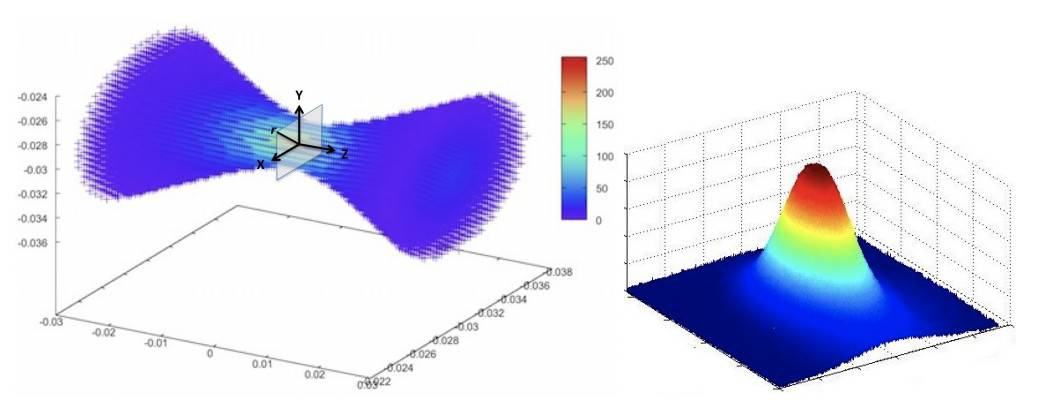
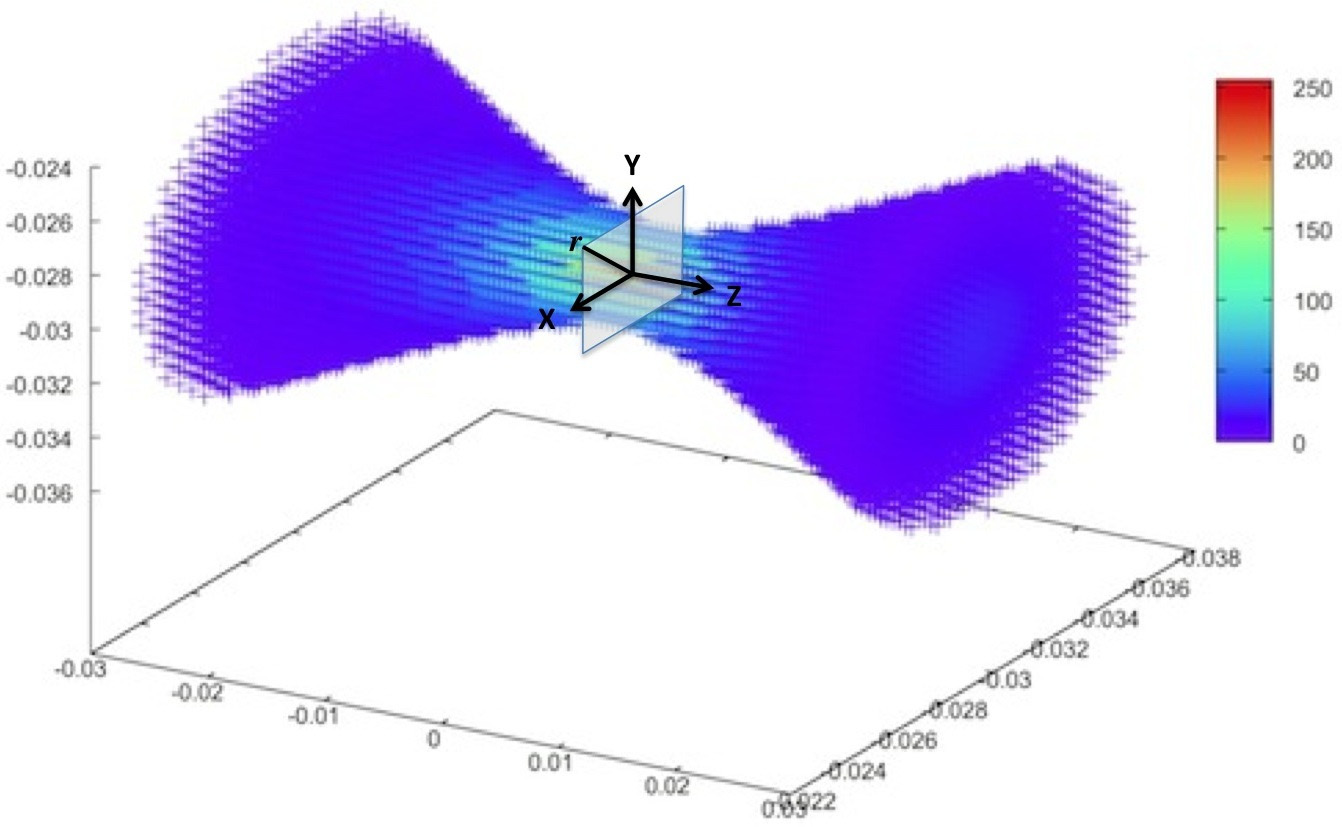
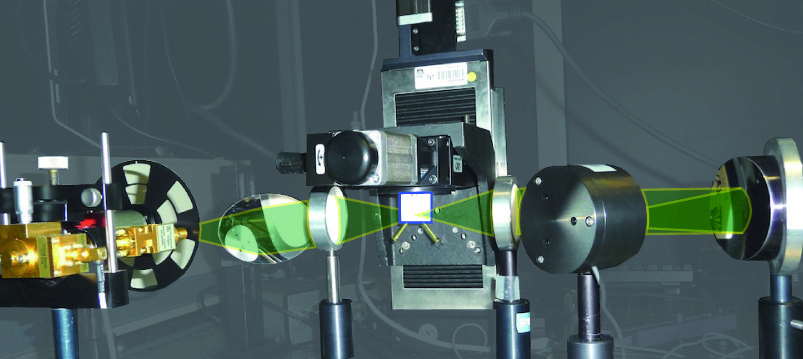
The study introduces a new physical model that captures the real behaviour of terahertz (THz) radiation when used for three-dimensional tomographic imaging. Unlike conventional X‑ray methods that treat the beam as a straight, uniform ray, the authors model the THz pulse as a Gaussian beam whose…
Aeronautics composite material inspection with a terahertz time-domain spectroscopy system

Terahertz research image associated with Terahertz waves for contactless control and imaging in aeronautics industry

An in-depth editorial guide to Aeronautics composite material inspection with a terahertz time-domain spectroscopy system, its scientific context, terahertz contribution, applications, and collaboration potential in Non-Destructive Testing.

A Versatile Illumination System for Real-Time Terahertz Imaging

Terahertz research image associated with Skeletonization and 3D rendering with real time terahertz tomography

Terahertz (THz) technology has long been recognised for its unique ability to penetrate non‑conductive, often opaque materials and reveal hidden structures without causing damage. Yet the potential of THz imaging for rapid, on‑line non‑destructive testing (NDT) and quality control has remained…

Ordered subsets convex algorithm for 3D terahertz transmission tomography

Terahertz research image associated with Ordered subsets convex algorithm for 3D terahertz transmission tomography

This research introduces a practical, high‑performance technique for three‑dimensional terahertz (THz) tomography that is designed to meet the stringent demands of non‑destructive inspection in industrial and cultural heritage contexts. The method refines the maximum‑likelihood reconstruction…

Advanced Processing Sequence for 3-D THz Imaging

Terahertz research image associated with Ordered subsets convex algorithm for 3D terahertz transmission tomography

The authors present a comprehensive, automated image‑processing pipeline that transforms raw terahertz (THz) radiographs into detailed three‑dimensional reconstructions of an object’s internal structure. The sequence combines a regularized tomographic reconstruction algorithm with K‑means…

Liquid index matching for 2D and 3D terahertz imaging

Research figure associated with Propagation beam consideration for 3D THz computed tomography

Terahertz (THz) imaging offers a non‑destructive, contactless method for probing the internal structure of dielectric materials, yet its practical use has been limited by severe artifacts caused by refractive‑index mismatch at sample interfaces. This study demonstrates that immersing non‑planar…

Room temperature thermopile THz sensor

Research figure associated with Room temperature thermopile THz sensor

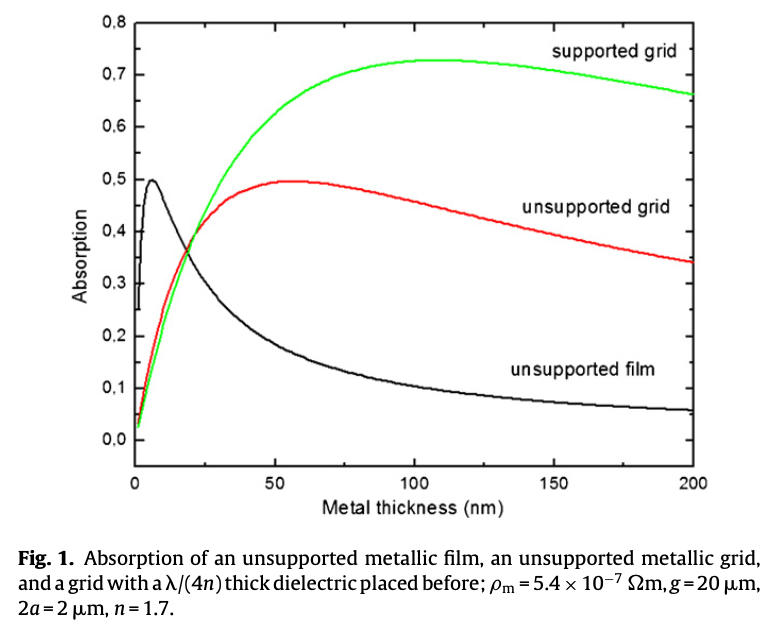
Executive Summary The research presented here delivers a novel room‑temperature terahertz (THz) sensor that converts incident electromagnetic power into a measurable electrical signal via a thermopile assembled on a micro‑fabricated silicon dioxide membrane. By using a metallic grid absorber…

Art Painting Diagnostic Before Restoration with Terahertz and Millimeter Waves

Terahertz research image associated with TeraPulse Lx for terahertz imaging of painting on canvas

An in-depth editorial guide to Art Painting Diagnostic Before Restoration with Terahertz and Millimeter Waves, its scientific context, terahertz contribution, applications, and collaboration potential in Biomedical Imaging.

Room temperature Si–Ti thermopile THz sensor

Research figure associated with Room temperature thermopile THz sensor

The work presents a room‑temperature terahertz (THz) detector based on a thermopile that converts absorbed THz radiation into a measurable voltage. The sensor’s absorber is a metallic grid engineered through a multilayer theoretical model that accounts for diffraction and equivalent resistivity,…

Low-frequency noise effect on terahertz tomography using thermal detectors

Terahertz research image associated with Low-frequency noise effect on terahertz tomography using thermal detectors

Terahertz computed tomography (THz‑CT) offers a powerful, non‑contact imaging modality for security screening, material inspection and biomedical diagnostics, yet its practical deployment has been limited by the low photon energy of terahertz waves and the high noise levels inherent to thermal…

Review of Terahertz Tomography Techniques

Terahertz research image associated with Review of terahertz tomography techniques

Terahertz (THz) imaging exploits the unique ability of 0.3–10 THz radiation to penetrate a wide range of dielectric materials while providing spectroscopic fingerprints of many chemical species. The reviewed work demonstrates that, beyond conventional two‑dimensional transmission or reflection…

Terahertz imaging and tomography as efficient instruments for testing polymer additive manufacturing objects

Terahertz research image associated with Terahertz Nondestructive Testing with Ultra-Wideband FMCW Radar

Terahertz (THz) imaging and tomography have been shown to provide a rapid, non‑destructive and radiation‑free method for inspecting polymer parts produced by additive manufacturing. Unlike conventional X‑ray tomography, THz techniques offer the possibility of routine quality assurance for complex…

Terahertz frequency modulated continuous wave imaging advanced data processing for art painting analysis

Terahertz research image associated with Guided Reflectometry Imaging Unit Using Millimeter Wave FMCW Radars

An in-depth editorial guide to Terahertz frequency modulated continuous wave imaging advanced data processing for art painting analysis, its scientific context, terahertz contribution, applications, and collaboration potential in Art & Cultural Heritage.

Pilot study of freshly excised breast tissue response in the 300 – 600 GHz range

Research figure associated with Terahertz refractive index-based morphological dilation for breast carcinoma delineation

The pilot research demonstrates that terahertz (THz) imaging in the 300‑600 GHz band can reliably distinguish between malignant and healthy breast tissues within freshly excised specimens. Because the refractive index of cancerous tissue mixtures is measurably higher than that of fat or normal…

Terahertz biophotonics as a tool for studies of dielectric and spectral properties of biological tissues and liquids

Research figure associated with Study of blood plasma optical properties in mice grafted with Ehrlich carcinoma in the frequency range 0.1–1.0 THz

An in-depth editorial guide to Terahertz biophotonics as a tool for studies of dielectric and spectral properties of biological tissues and liquids, its scientific context, terahertz contribution, applications, and collaboration potential in Biomedical Imaging.

Multimodal Optical Diagnostics of Glycated Biological Tissues

Research figure associated with Study of blood plasma optical properties in mice grafted with Ehrlich carcinoma in the frequency range 0.1–1.0 THz

An in-depth editorial guide to Multimodal Optical Diagnostics of Glycated Biological Tissues, its scientific context, terahertz contribution, applications, and collaboration potential in Biomedical Imaging.

Shape-from-focus for real-time terahertz 3D imaging

Terahertz research image associated with Shape-from-focus for real-time terahertz 3D imaging

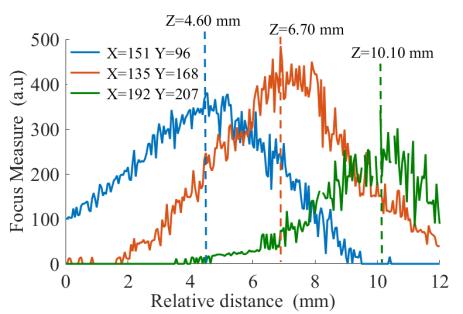
The study demonstrates that the Shape‑from‑Focus (SFF) algorithm, traditionally used in optical microscopy, can be successfully applied to real‑time terahertz (THz) imaging systems to generate sharp two‑dimensional images and depth maps of thin or layered objects. By recording a rapid stack of…

Iterative Tree Algorithm to Evaluate Terahertz Signal Contribution of Specific Optical Paths Within Multilayered Materials

Terahertz research image associated with Guided Reflectometry Imaging Unit Using Millimeter Wave FMCW Radars

Terahertz time‑domain spectroscopy (THz‑TDS) is a powerful, contact‑less technique for probing the internal structure of layered materials, a capability that is increasingly valuable in aerospace, automotive, composite manufacturing, and cultural heritage conservation. Conventional THz‑TDS analysis…

Terahertz diffractive imaging with saturated data inpainting

Terahertz research image associated with Terahertz Diffractive Imaging with Saturated Data Inpainting

Executive Summary This research introduces a novel algorithm—Multiplane Iterative Phase Retrieval with Inpainting (SBMIR‑I)—that corrects for over‑exposure in terahertz (THz) diffraction imaging. By automatically “inpainting” saturated regions in the measured intensity data, the algorithm…

Characterization of Varnish Ageing and its Consequences on Terahertz Imagery: Demonstration on a Painting Presumed of the French Renaissance

Terahertz research image associated with TeraPulse Lx for terahertz imaging of painting on canvas

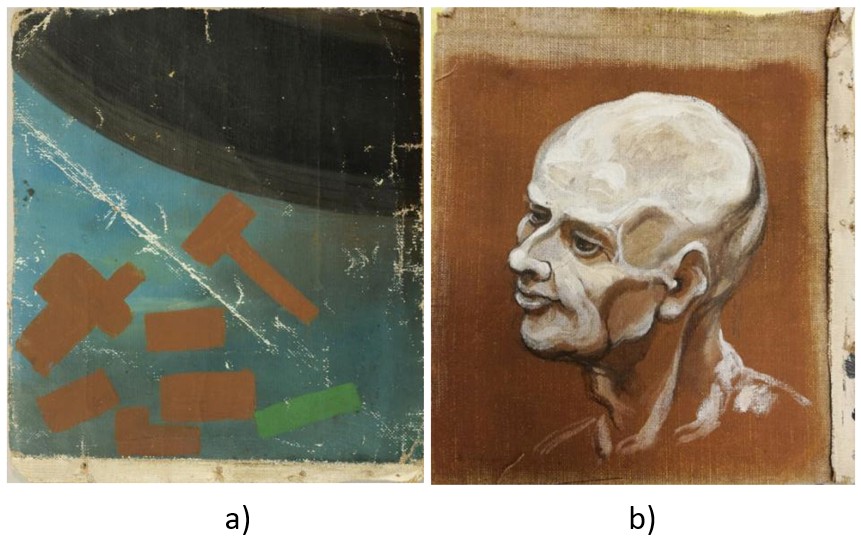
Terahertz (THz) imaging has been demonstrated as a powerful, non‑contact, non‑ionizing technique for probing the internal structure of cultural heritage objects, particularly those mounted on metal supports where conventional optical, X‑ray, or infrared methods fail. In this study, a…

Terahertz near-field microscopy of ductal carcinoma in situ (DCIS) of the breast

Research figure associated with Scanning point terahertz source microscopy of unstained comedo ductal carcinoma in situ

Executive Summary Recent research has demonstrated that terahertz (THz) near‑field microscopy can be employed to detect ductal carcinoma in situ (DCIS) – a pre‑invasive breast cancer that is notoriously difficult to identify during surgery due to its small size (50–500 µm). Conventional THz…

Skeletonization and 3D rendering with real time terahertz tomography

Terahertz research image associated with Skeletonization and 3D rendering with real time terahertz tomography

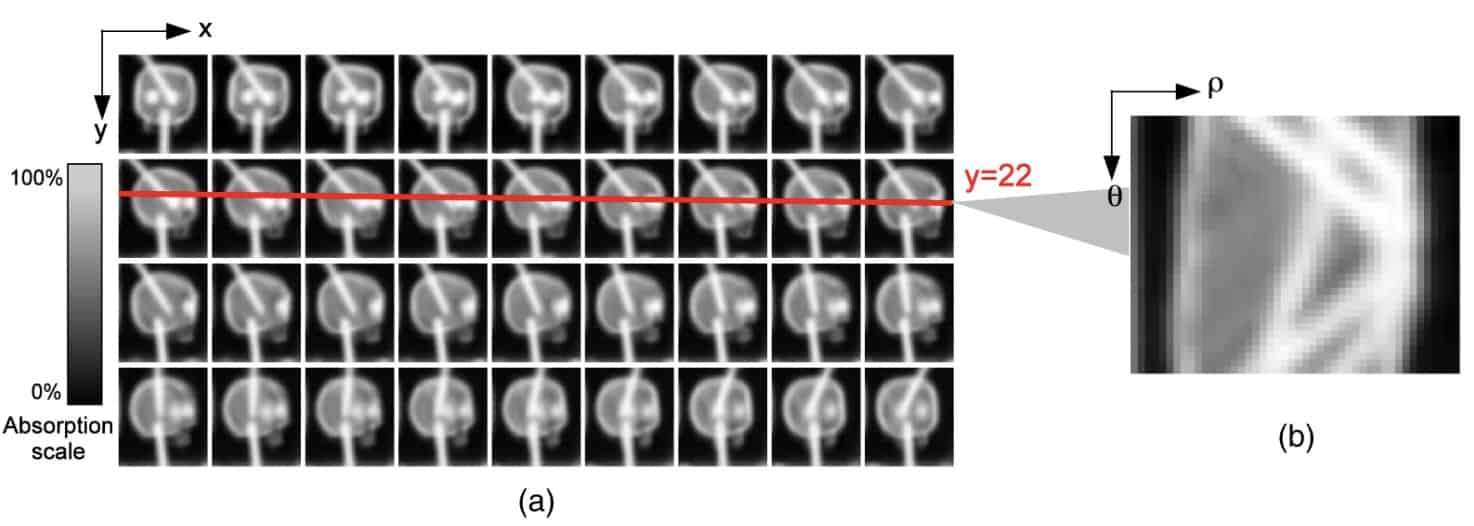
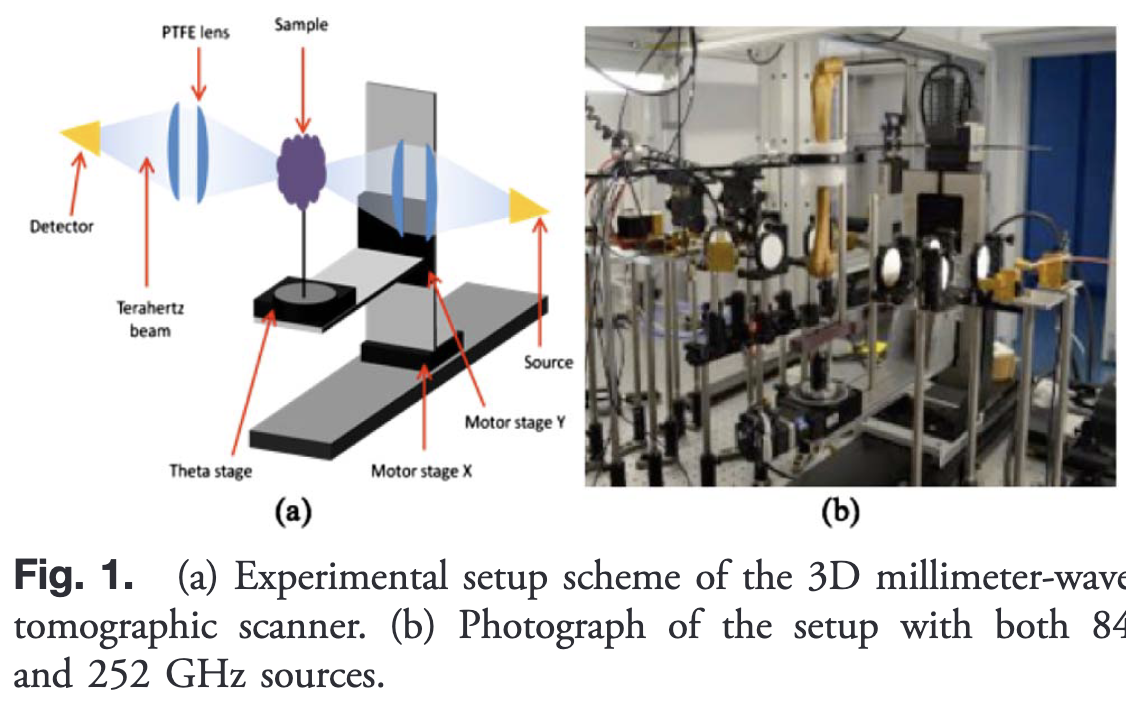
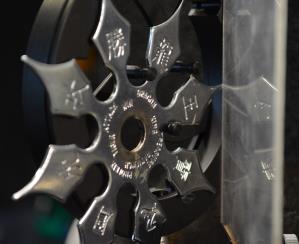
The study demonstrates a fully integrated, real‑time terahertz computed tomography platform that can acquire full‑field images at 25 frames per second, reconstruct a three‑dimensional volume, and automatically process that data to reveal detailed internal morphology within a single minute. By…

Feasibility of Using a 300 GHz Radar to Detect Fractures and Lithological Changes in Rocks

Terahertz research image associated with Feasibility of Using a 300 GHz Radar to Detect Fractures and Lithological Changes in Rocks

The study demonstrates that a compact, frequency‑modulated continuous‑wave radar operating at 300 GHz can non‑destructively image rock interiors with unprecedented detail. By scanning a 121 cm² area in only fifteen minutes, the system resolves millimetre‑scale fractures and subtle lithological…

Reconfigurable and versatile augmented reality optical setup for tangible experimentations

Terahertz research image associated with Reconfigurable and versatile augmented reality optical setup for tangible experimentations

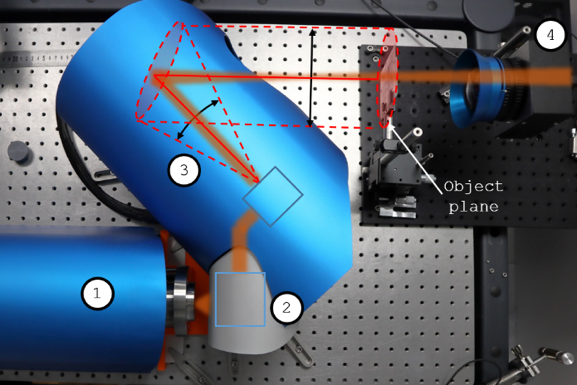
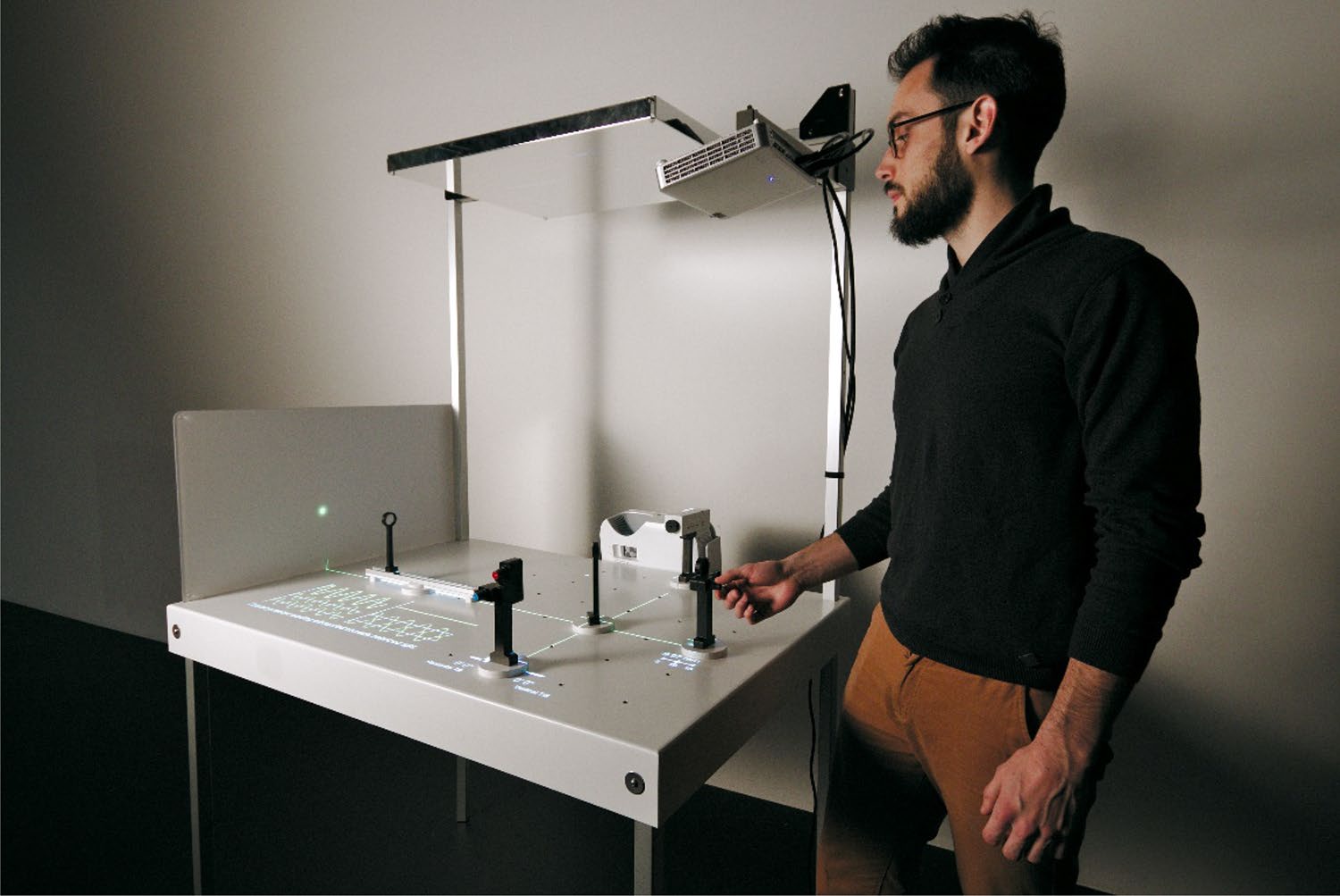
Hybrid Optical Bench for Innovative Teaching and learning (HOBIT) combines a physical optical table with a real‑time, self‑adaptive digital simulation and augmented‑reality overlays. The system enables any optical experiment to be assembled, adjusted, and observed in a single secure,…

Guided Reflectometry Imaging Unit Using Millimeter Wave FMCW Radars

Terahertz research image associated with Guided Reflectometry Imaging Unit Using Millimeter Wave FMCW Radars

The study demonstrates a new generation of terahertz‑frequency radar probes that combine a frequency‑modulated continuous‑wave (FMCW) transmitter with a thin‑wall hollow‑core dielectric waveguide. By guiding the millimetre‑wave signal directly inside a polymer pipe, the device eliminates the need…

Terahertz refractive index-based morphological dilation for breast carcinoma delineation

Research figure associated with Terahertz refractive index-based morphological dilation for breast carcinoma delineation

Terahertz time‑domain imaging has been harnessed to generate refractive‑index maps of freshly excised breast tissue, enabling a non‑ionising, optical‑based assessment of tumour margins during breast‑conserving surgery. By converting the refractive‑index distribution into a binary map and then…

Label-Free Observation of Micrometric Inhomogeneity of Human Breast Cancer Cell Density Using Terahertz Near-Field Microscopy

Terahertz research image associated with Label-Free Observation of Micrometric Inhomogeneity of Human Breast Cancer Cell Density Using Terahertz Near-Field Microscopy

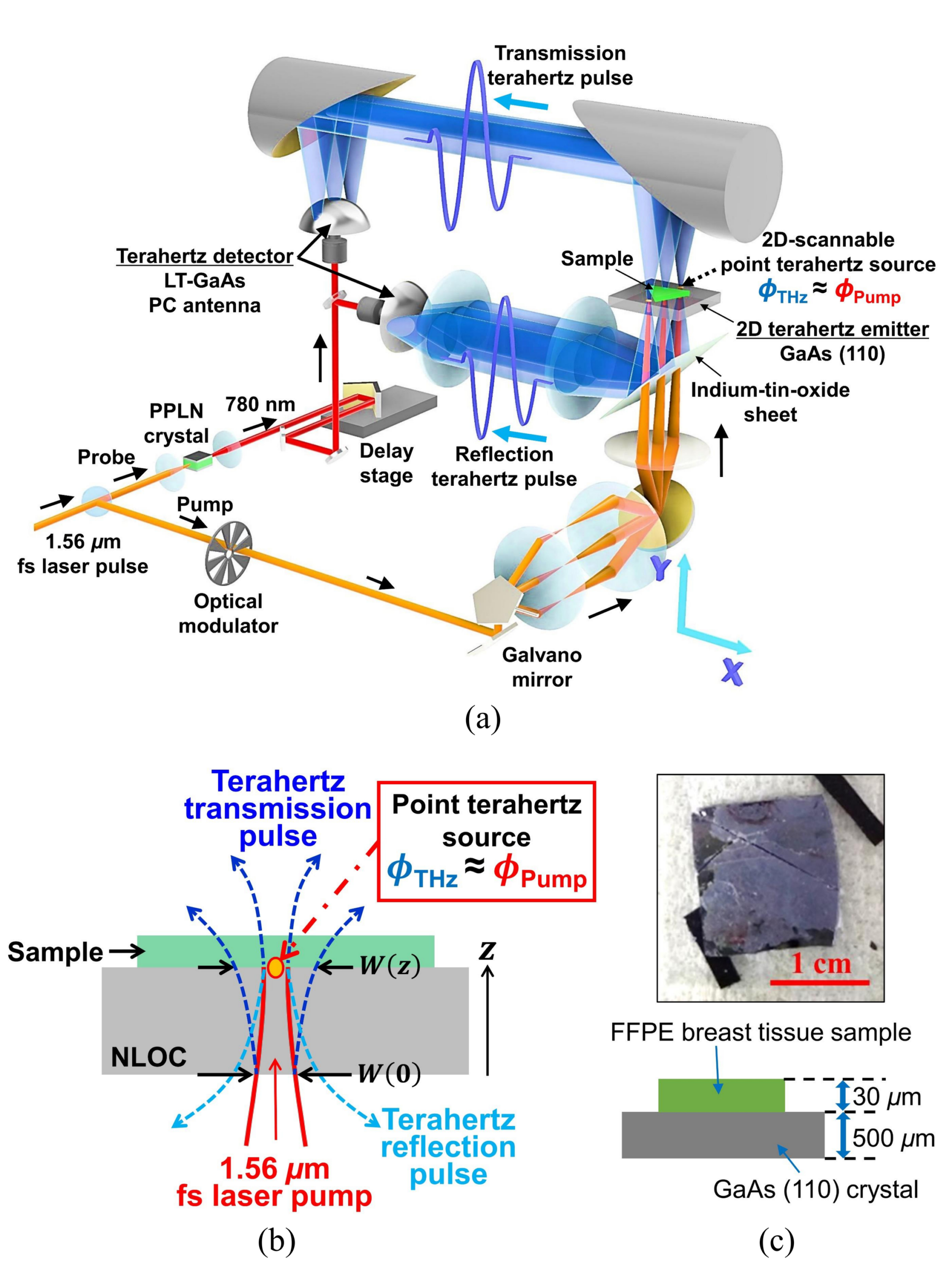
Terahertz near‑field microscopy built around a scanning point terahertz source (SPoTS) achieves a spatial resolution of approximately ten micrometres, breaking the diffraction‑limited barrier that has traditionally constrained terahertz imaging to millimetre scales. By placing a formalin‑fixed,…

Terahertz waves for contactless control and imaging in aeronautics industry

Terahertz research image associated with Terahertz waves for contactless control and imaging in aeronautics industry

Terahertz technology is emerging as a powerful, contact‑free tool for the aeronautics sector, offering both rapid structural health monitoring and precise material characterization. The study demonstrates that frequency‑modulated continuous‑wave (FMCW) radars operating in the 100–300 GHz band can…

Scanning point terahertz source microscopy of unstained comedo ductal carcinoma in situ

Research figure associated with Scanning point terahertz source microscopy of unstained comedo ductal carcinoma in situ

Executive Summary Terahertz (THz) imaging has long promised a label‑free path to diagnosing cancers by exploiting the sensitivity of THz waves to tissue hydration, cellular density, and molecular composition. In breast cancer, the earliest precursor lesion—ductal carcinoma in situ (DCIS)—requires…

An algorithm of unordered wavefront propagation in terahertz phase retrieval with dense multiplane data acquisition

Research figure associated with An algorithm of unordered wavefront propagation in terahertz phase retrieval with dense multiplane data acquisition

An in-depth editorial guide to An algorithm of unordered wavefront propagation in terahertz phase retrieval with dense multiplane data acquisition, its scientific context, terahertz contribution, applications, and collaboration potential in Biomedical Imaging.

Broadband THz emission of long pulses from photomixing process with optical chirped pulses

Terahertz research image associated with Guided terahertz pulse reflectometry with double photoconductive antenna

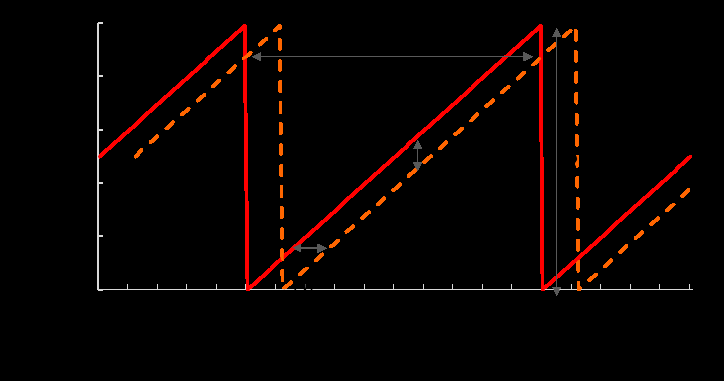
The study introduces a novel photomixing technique that generates long terahertz (THz) pulses with a broad, linearly chirped spectrum by interfering two optical pulses of opposite chirp. By stretching each pulse to roughly 90 ps and applying opposite frequency sweeps, the beat frequency evolves…

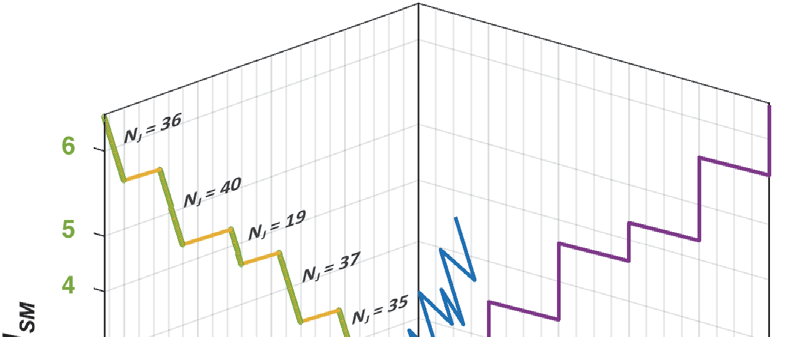
Skeletonization and 3D rendering with real time terahertz tomography

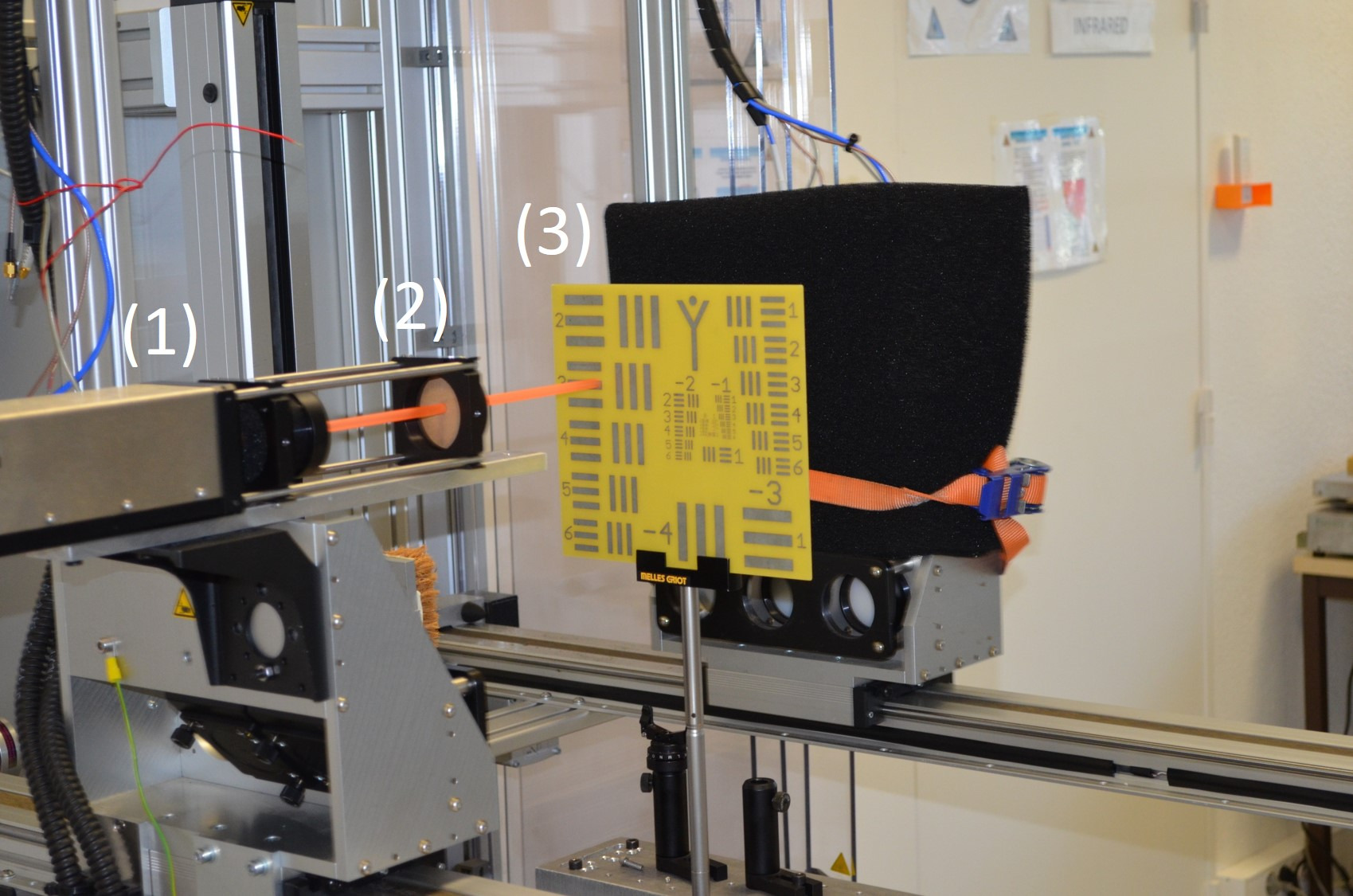
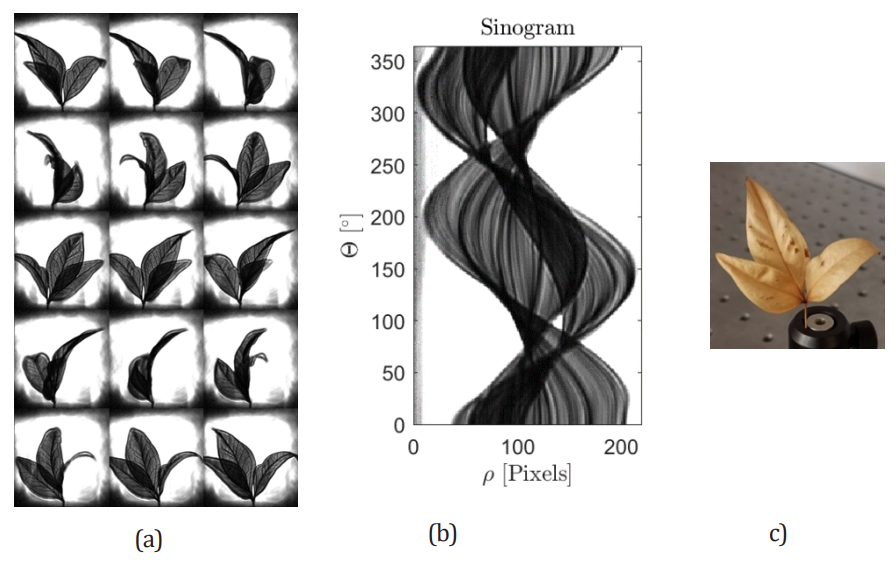
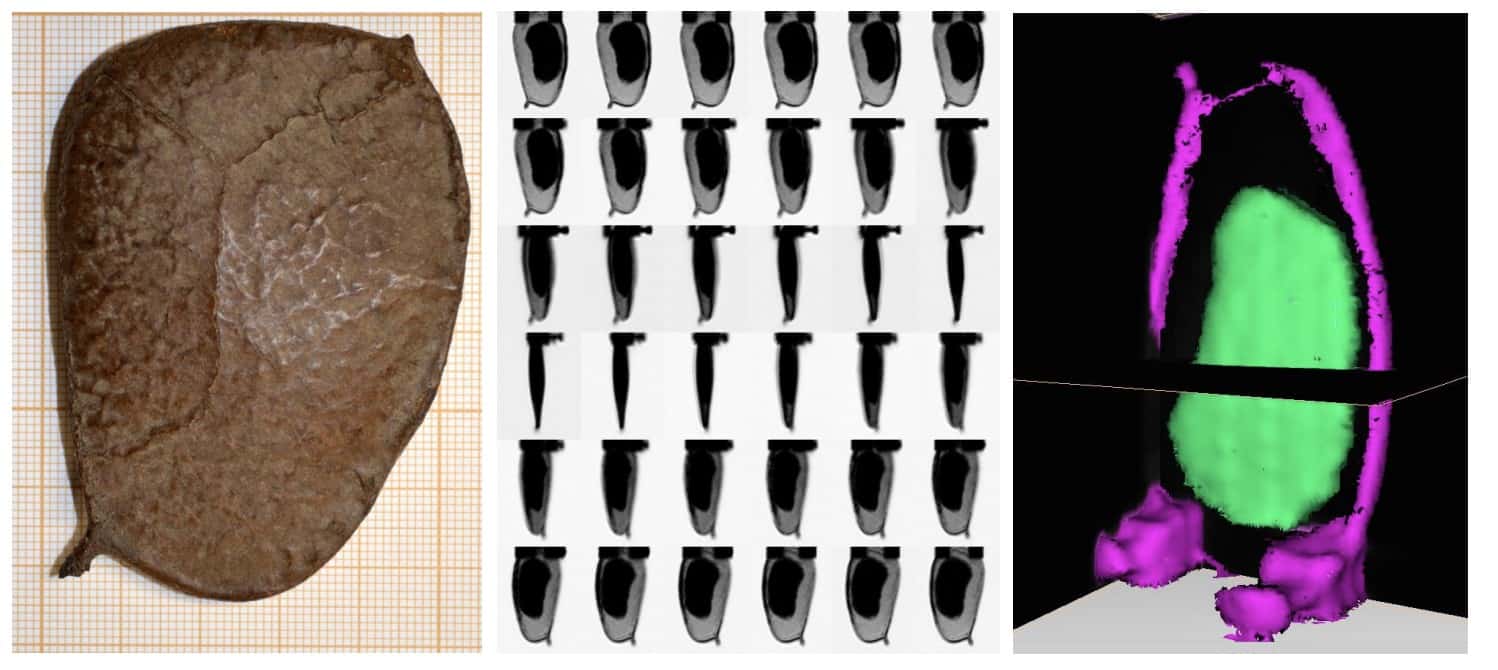
In this collaborative article between Lytid, IMS and Noctylio, we explore the application of terahertz (THz) technology in tomography to create 3D reconstructions in real time. The experimental setup is based on a latest generation micro-bolometric camera with 240×320 pixels, equipped with an anti-reflective coated lens developed by Lytid, to record the projection images of … Read more

Processing sequence for non-destructive inspection based on 3D terahertz images

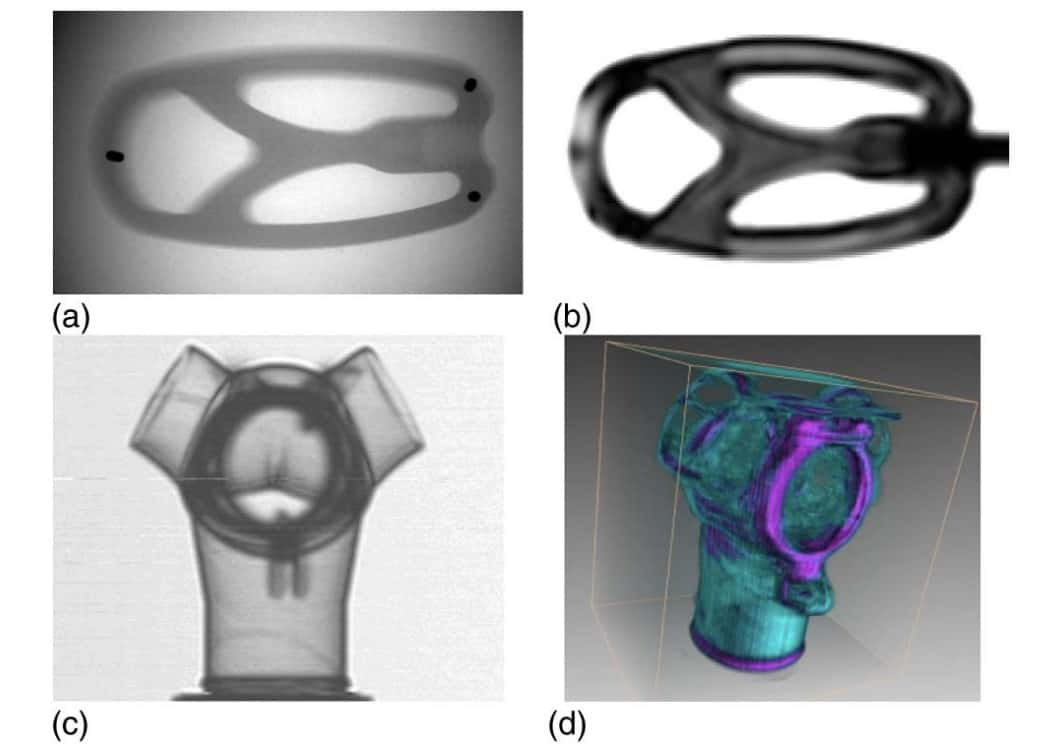
In this paper, a processing sequence has been developed to achieve automated analysis and measurements from 3D terahertz acquisitions. This sequence first performs a tomographic reconstruction from a 3D acquisition made by a continuous millimetre wave system. This reconstruction is based on the Ordered Subsets Convex (OSC) algorithm and has been optimized for 3D THz tomography. Optimisations consist of i) including the Gaussian beam model in the computation of expected measured intensity, ii) modelling the blank scan and dark-field from measurements and, iii) taking account for these models in the algorithm. The new method, called THz-OSC, outperforms both the BFP and THz-SART reconstructions.

Read more

Terahertz radiation for tomographic inspection

This paper demonstrate how it is possible to take into account the physical properties of THz waves used in THz CT scan imaging as an improved beam propagation model. This more realistic model is clearly justified by the fact that previous models were simply relying on well-known and commonly applied X-ray reconstruction methods, which assume a ray tracing approach, whereas the THz beam profile is very far from this hypothesis. The model is introduced in several inversion methods as a convolution filter to perform efficient tomographic reconstructions of acquired objects.

Read more

Exit mobile version