Pilot study of freshly excised breast tissue response in the 300 – 600 GHz range
Research figure associated with Terahertz refractive index-based morphological dilation for breast carcinoma delineation

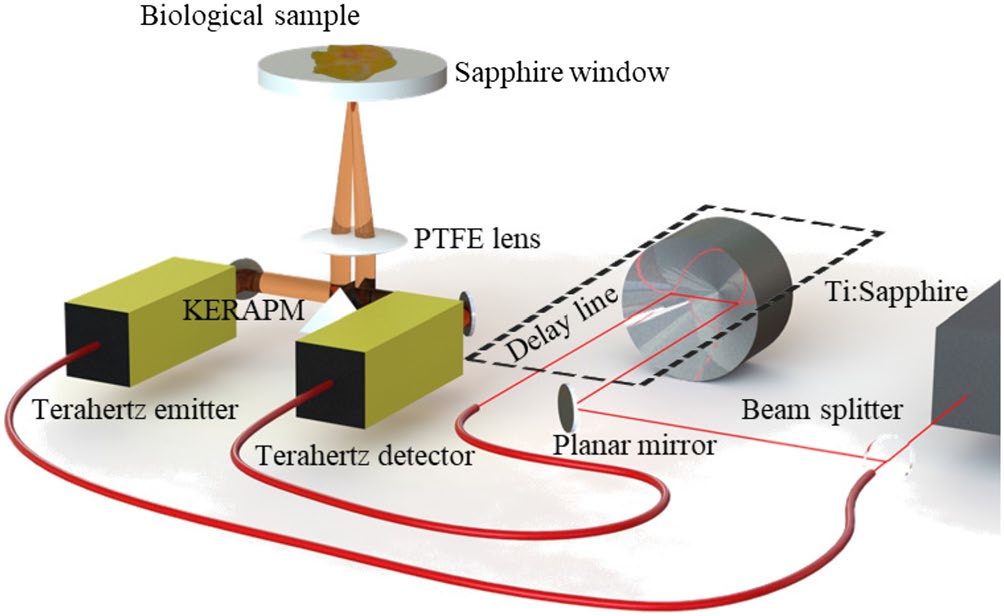
The pilot research demonstrates that terahertz (THz) imaging in the 300‑600 GHz band can reliably distinguish between malignant and healthy breast tissues within freshly excised specimens. Because the refractive index of cancerous tissue mixtures is measurably higher than that of fat or normal…
Terahertz phase retrieval imaging in reflection

Terahertz research image associated with Terahertz phase retrieval imaging in reflection

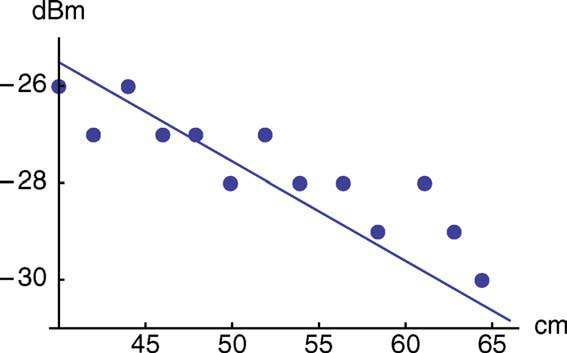
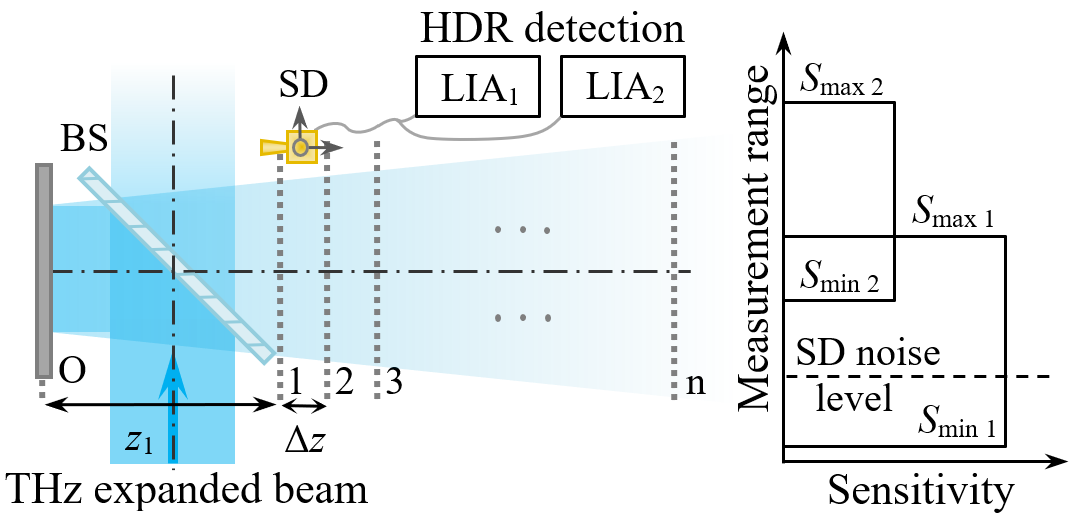
The work demonstrates, for the first time, a practical, single‑beam terahertz (THz) phase‑retrieval imaging system that operates in a reflection configuration at a continuous‑wave frequency of 0.287 THz. By recording the reflected intensity at 27 axial positions and combining the signals from two…

Fast Terahertz Spectroscopic Holographic Assessment of Optical Properties of Diabetic Blood Plasma

Terahertz research image associated with Fast terahertz spectroscopic holographic assessment of optical properties of diabetic blood plasma

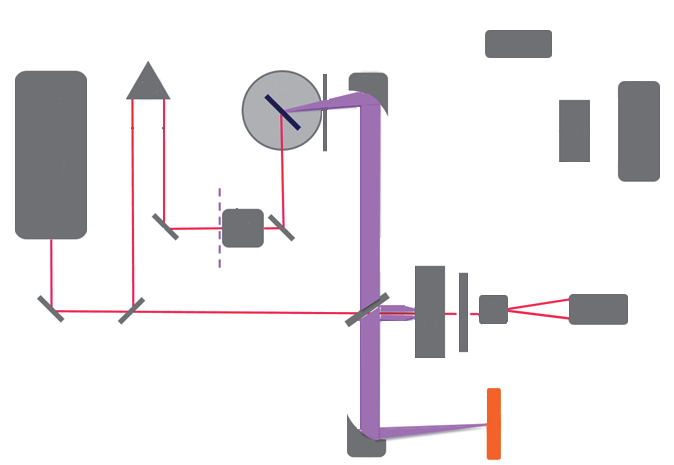
The research presents a novel, rapid diagnostic technique that harnesses terahertz (THz) pulse time‑domain holography to evaluate the optical properties of lyophilized blood plasma pellets. By converting plasma into compact, freeze‑dried tablets, the method overcomes the limitations of liquid blood…

A Versatile Illumination System for Real-Time Terahertz Imaging

Terahertz research image associated with Skeletonization and 3D rendering with real time terahertz tomography

Terahertz (THz) technology has long been recognised for its unique ability to penetrate non‑conductive, often opaque materials and reveal hidden structures without causing damage. Yet the potential of THz imaging for rapid, on‑line non‑destructive testing (NDT) and quality control has remained…

Scanning laser terahertz near-field reflection imaging system

Terahertz research image associated with Continuous-wave scanning terahertz near-field microscope

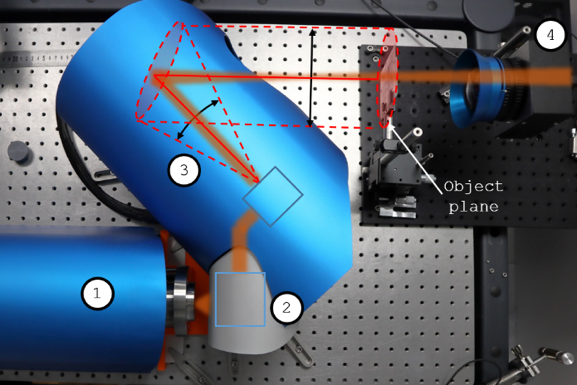
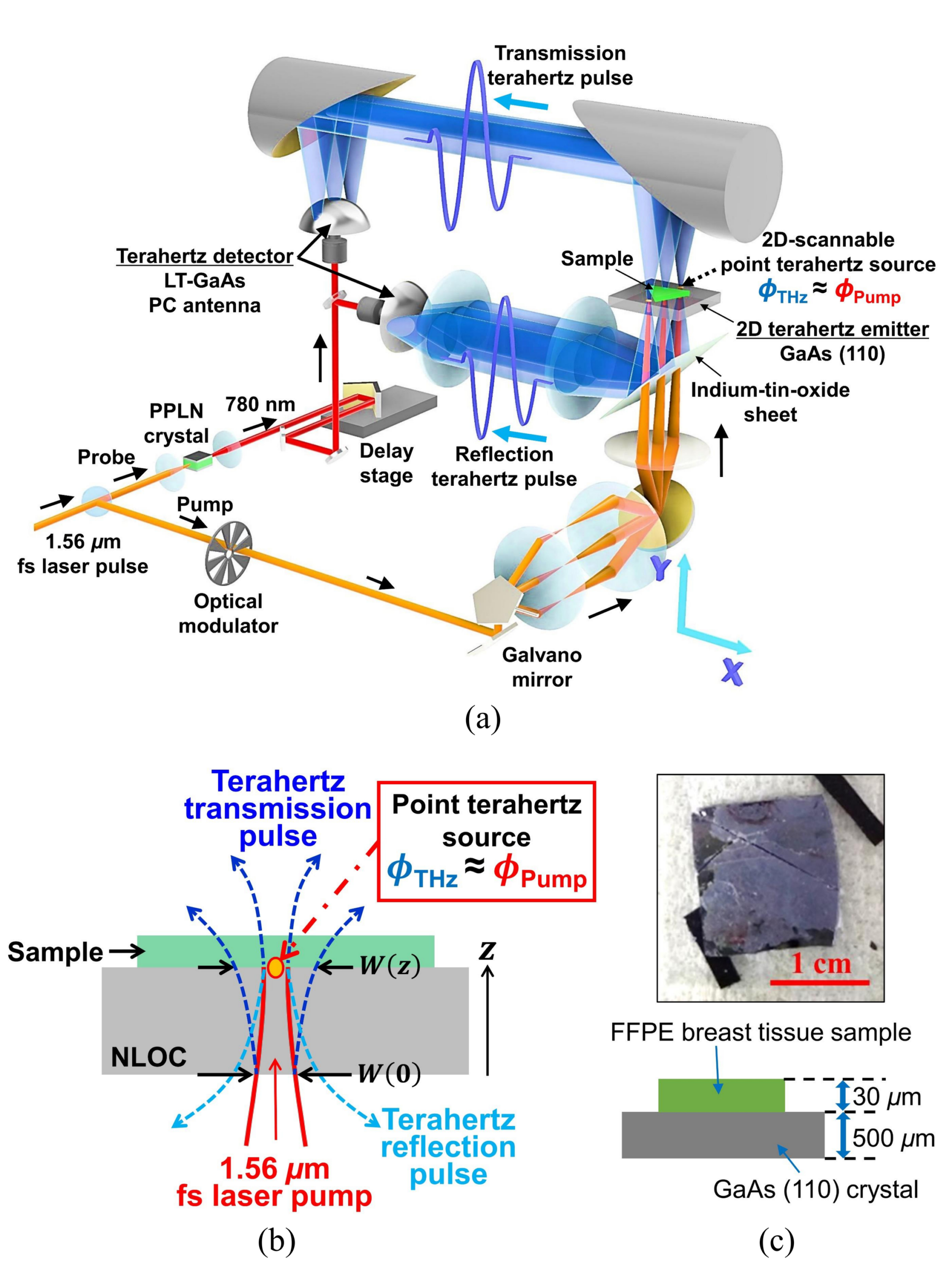
A new terahertz imaging platform has been introduced that reconciles the high sensitivity of terahertz (THz) radiation with the practical constraints of industrial and medical diagnostics. By focusing femtosecond pulses from a fiber‑coupled 1.56 µm laser onto a thin gallium arsenide crystal, the…

Shape-from-focus for real-time terahertz 3D imaging

Terahertz research image associated with Shape-from-focus for real-time terahertz 3D imaging

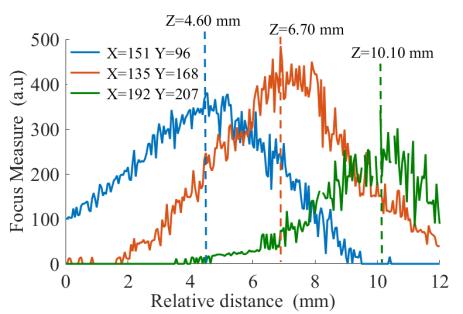
The study demonstrates that the Shape‑from‑Focus (SFF) algorithm, traditionally used in optical microscopy, can be successfully applied to real‑time terahertz (THz) imaging systems to generate sharp two‑dimensional images and depth maps of thin or layered objects. By recording a rapid stack of…

Multimodal Optical Diagnostics of Glycated Biological Tissues

Research figure associated with Study of blood plasma optical properties in mice grafted with Ehrlich carcinoma in the frequency range 0.1–1.0 THz

An in-depth editorial guide to Multimodal Optical Diagnostics of Glycated Biological Tissues, its scientific context, terahertz contribution, applications, and collaboration potential in Biomedical Imaging.

Terahertz biophotonics as a tool for studies of dielectric and spectral properties of biological tissues and liquids

Research figure associated with Study of blood plasma optical properties in mice grafted with Ehrlich carcinoma in the frequency range 0.1–1.0 THz

An in-depth editorial guide to Terahertz biophotonics as a tool for studies of dielectric and spectral properties of biological tissues and liquids, its scientific context, terahertz contribution, applications, and collaboration potential in Biomedical Imaging.

Terahertz imaging and tomography as efficient instruments for testing polymer additive manufacturing objects

Terahertz research image associated with Terahertz Nondestructive Testing with Ultra-Wideband FMCW Radar

Terahertz (THz) imaging and tomography have been shown to provide a rapid, non‑destructive and radiation‑free method for inspecting polymer parts produced by additive manufacturing. Unlike conventional X‑ray tomography, THz techniques offer the possibility of routine quality assurance for complex…

Study of blood plasma optical properties in mice grafted with Ehrlich carcinoma in the frequency range 0.1–1.0 THz

Research figure associated with Study of blood plasma optical properties in mice grafted with Ehrlich carcinoma in the frequency range 0.1–1.0 THz

The study demonstrates that terahertz (THz) time‑domain spectroscopy can detect measurable changes in the optical properties of blood plasma from mice bearing Ehrlich carcinoma, offering a rapid, non‑invasive diagnostic approach for oncological disease. By measuring the refractive index and…

Using soy protein in the three-component phantom for breast cancer mimicking

Research figure associated with Terahertz refractive index-based morphological dilation for breast carcinoma delineation

The study presents a novel class of zwitterionic polymeric nanogels engineered to mimic the physicochemical properties of biological fluids and to serve simultaneously as diagnostic and therapeutic agents for breast cancer. By tailoring the composition of the nanogels—incorporating gelatin,…

NearSense – Advances Towards a Silicon-Based Terahertz Near-Field Imaging Sensor for Ex Vivo Breast Tumour Identification

Research figure associated with Terahertz refractive index-based morphological dilation for breast carcinoma delineation

An in-depth editorial guide to NearSense – Advances Towards a Silicon-Based Terahertz Near-Field Imaging Sensor for Ex Vivo Breast Tumour Identification, its scientific context, terahertz contribution, applications, and collaboration potential in Biomedical Imaging.

Ex Vivo Breast Tumor Identification: Advances Toward a Silicon-Based Terahertz Near-Field Imaging Sensor

Research figure associated with Terahertz refractive index-based morphological dilation for breast carcinoma delineation

An in-depth editorial guide to Ex Vivo Breast Tumor Identification: Advances Toward a Silicon-Based Terahertz Near-Field Imaging Sensor, its scientific context, terahertz contribution, applications, and collaboration potential in Biomedical Imaging.

Terahertz near-field microscopy of ductal carcinoma in situ (DCIS) of the breast

Research figure associated with Scanning point terahertz source microscopy of unstained comedo ductal carcinoma in situ

Executive Summary Recent research has demonstrated that terahertz (THz) near‑field microscopy can be employed to detect ductal carcinoma in situ (DCIS) – a pre‑invasive breast cancer that is notoriously difficult to identify during surgery due to its small size (50–500 µm). Conventional THz…

Scanning point terahertz source microscopy of unstained comedo ductal carcinoma in situ

Research figure associated with Scanning point terahertz source microscopy of unstained comedo ductal carcinoma in situ

Executive Summary Terahertz (THz) imaging has long promised a label‑free path to diagnosing cancers by exploiting the sensitivity of THz waves to tissue hydration, cellular density, and molecular composition. In breast cancer, the earliest precursor lesion—ductal carcinoma in situ (DCIS)—requires…

Label-Free Observation of Micrometric Inhomogeneity of Human Breast Cancer Cell Density Using Terahertz Near-Field Microscopy

Terahertz research image associated with Label-Free Observation of Micrometric Inhomogeneity of Human Breast Cancer Cell Density Using Terahertz Near-Field Microscopy

Terahertz near‑field microscopy built around a scanning point terahertz source (SPoTS) achieves a spatial resolution of approximately ten micrometres, breaking the diffraction‑limited barrier that has traditionally constrained terahertz imaging to millimetre scales. By placing a formalin‑fixed,…

Terahertz refractive index-based morphological dilation for breast carcinoma delineation

Research figure associated with Terahertz refractive index-based morphological dilation for breast carcinoma delineation

Terahertz time‑domain imaging has been harnessed to generate refractive‑index maps of freshly excised breast tissue, enabling a non‑ionising, optical‑based assessment of tumour margins during breast‑conserving surgery. By converting the refractive‑index distribution into a binary map and then…

Exit mobile version